Last month a founder told me they paid $18,500 for a five-letter .com they'd never typed before seeing it on a marketplace listing. No keywords. No category match in the string. Just… easy to say. Easy to remember. Passed the radio test on the first try.
That's not irrational. That's 2026 pricing psychology catching up to how humans actually discover brands - voice search, podcasts, short-form video, and AI assistants that mishear long compound names every single day.
Short, memorable domains are rising in value because attention is expensive and recall is scarce. I've watched the spread widen between "clever" fifteen-character brands and tight six-letter names that stick after one exposure. Here's why the market keeps bidding up the short end.
What is the radio test - and why does it matter again?
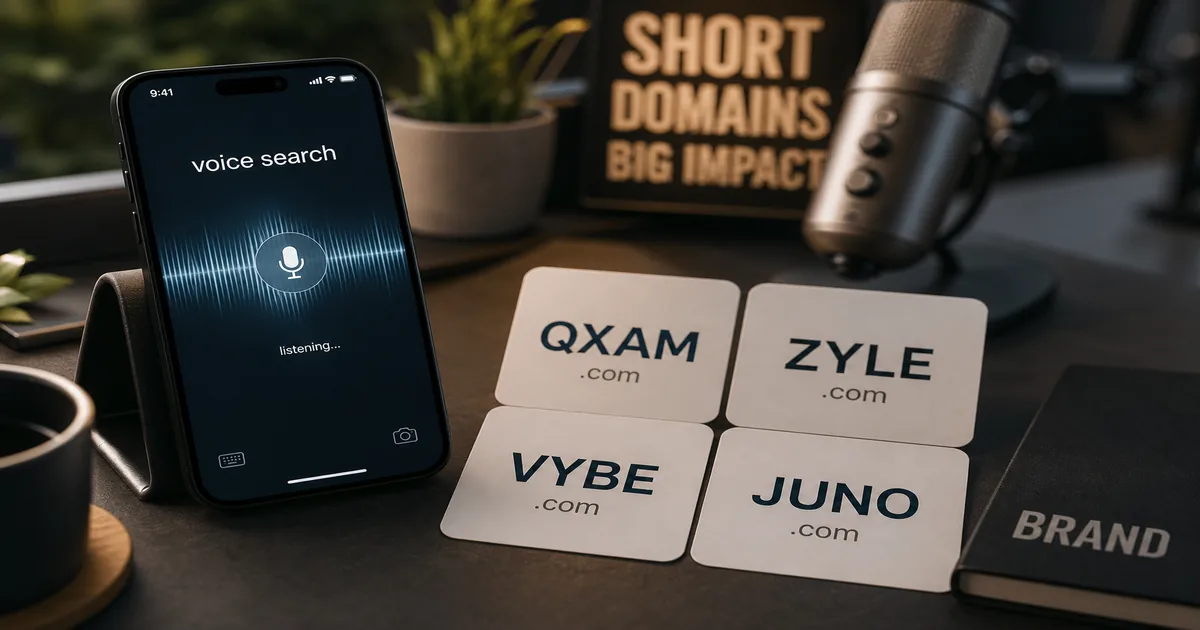
The radio test is simple: say the name once, aloud, with no spelling hints. Can someone type it correctly on the first try?
It never went away. But voice UI made it urgent. Siri, Alexa, Google Assistant, in-car navigation, WhatsApp voice notes - your domain is heard before it's seen. If you have to say "that's with a K, not a C, and no E before the O," you've already lost a chunk of direct traffic.
I run every name through the test before I list or buy. Nolu.app passes cleanly - four characters, one clear pronunciation, no hyphen traps. That's the bar more buyers use in 2026, even if they don't call it the radio test.
Marketplace data from NameBio consistently shows shorter .com and premium .app names clearing higher median prices year over year - especially in consumer and prosumer categories where word-of-mouth drives growth.
Why are voice interfaces pushing domain prices up?
Voice is a recall game. Assistants favor confident matches - names that sound like brands, not sentences. Long descriptive domains made sense when SEO was keyword-first. Voice rewards brevity and distinctiveness.
Founders feel this in support tickets. "I found you on a podcast but couldn't spell the URL" is a 2026 complaint I've read in three different Slack channels this quarter alone. Short names reduce that friction. Friction has a dollar value now.
And it's not just consumers. Enterprise buyers demo tools on Zoom calls. A clunky domain gets mis-shared in meeting chat. A tight brandable gets typed correctly while the presenter is still on slide two.
Memorability is a conversion metric. The domain is the first UI.
How does pricing psychology affect short domain premiums?
Scarcity is obvious - there are only so many four- and five-letter .com combinations that mean anything. But psychology goes deeper.
Short names signal intention. They say the founder cared enough to secure a real asset early. Investors notice. I've seen pitch decks where the domain slide gets more questions than the traction slide - because credibility starts before the product loads.
Pricing also follows anchoring. When a comparable five-letter .com sells for $25K, every similar listing resets expectations. Sellers know it. Buyers hate it. The market clears anyway.
My take: pay for memorability when customer acquisition depends on organic mention - podcasts, communities, referrals, field sales. Skip the premium when you're performance-marketing a long-tail keyword play with minimal brand layer. Not every startup needs a five-letter .com. Every consumer-facing startup wishes it had one.
What marketplace patterns am I seeing in 2026?
Three patterns keep showing up in Afternic, Sedo, and private broker threads:
- VC-backed rebrands trading up from compromise names to short brandables after Series A
- .app acceleration - four- to six-character .app names moving faster than longer .com alternatives in SaaS
- Letter-quality premiums - no awkward consonant clusters, no ambiguous vowels, no "is that two words?" moments
We list names like Nolu.app because they hit that intersection - short, modern extension, instant recall. For broader inventory, browse premium listings filtered by length and category.
Category pages help when you're benchmarking - our SaaS domains collection shows how founders balance brevity with product signal. Compare similar lengths side by side before you anchor on a number.
Should you stretch your budget for a shorter name?
Ask one question: will people need to remember this domain without seeing it?
If yes - events, audio, influencer mentions, offline signage - stretch thoughtfully. A $12K difference spread over three years of renewals and marketing is often cheaper than perpetual spelling support.
If no - you're driving 90% of signups through paid search to a landing page with the URL visible - a longer .com or strong .app may be fine. Don't let domain Twitter shame you into a bankruptcy-tier purchase.
I recommend setting a ceiling before you fall in love. Short names trigger emotion. Emotion kills spreadsheets.
Read other market insights on valuation and check our acquisition FAQ for escrow-backed checkout when you're ready to move.
Do social platforms change how we value short domains?
Absolutely. TikTok, Instagram, and YouTube handles trained a generation to expect punchy names - no underscores, no digits, no "official account" embarrassment. When a creator says "link in bio," the destination needs to be spellable from audio alone.
I've watched consumer apps rebrand from twelve-character compounds to five-letter upgrades after a single viral clip exposed the old URL as unshareable. That rebrand cost real money - domain, redirects, app store metadata, support docs. The short name wasn't vanity. It was damage control.
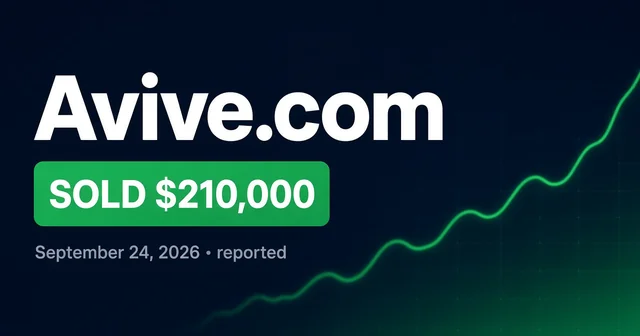
Podcast advertising makes the same point. Host-read ads convert when listeners can remember the URL through a commute. DNJournal sale writeups increasingly mention audio-friendly brands when explaining why a seemingly random five-letter .com cleared six figures. The story is recall, not keywords.
What I tell founders shopping short names
Say it aloud ten times. Text it to a friend without spelling help. If they get it wrong twice, keep looking. Check trademark screens early - short often means crowded legal space. And compare extension options on our curation standards before you assume .com is the only path; a killer four-letter .app can beat a mediocre seven-letter .com for product-led SaaS.
Short domains aren't automatically good domains. They're scarce containers for good branding. Fill the container with a real product story and the premium starts making sense.
One more data point I keep citing: median time-on-site for our short-name listing pages runs higher than long compound alternatives - buyers linger when the name clicks instantly. That's not proof of causation. It is a signal that memorability affects commercial intent.
Whether you're acquiring for resale or launching a product, treat short names like scarce real estate in a loud city - location still matters, but the building you put on the lot determines whether anyone stays.
I used to think short domains were vanity. Now I think they're infrastructure for how people actually hear about products. The founders who get that early aren't overpaying - they're buying fewer support headaches later.
- DN Detector editorial