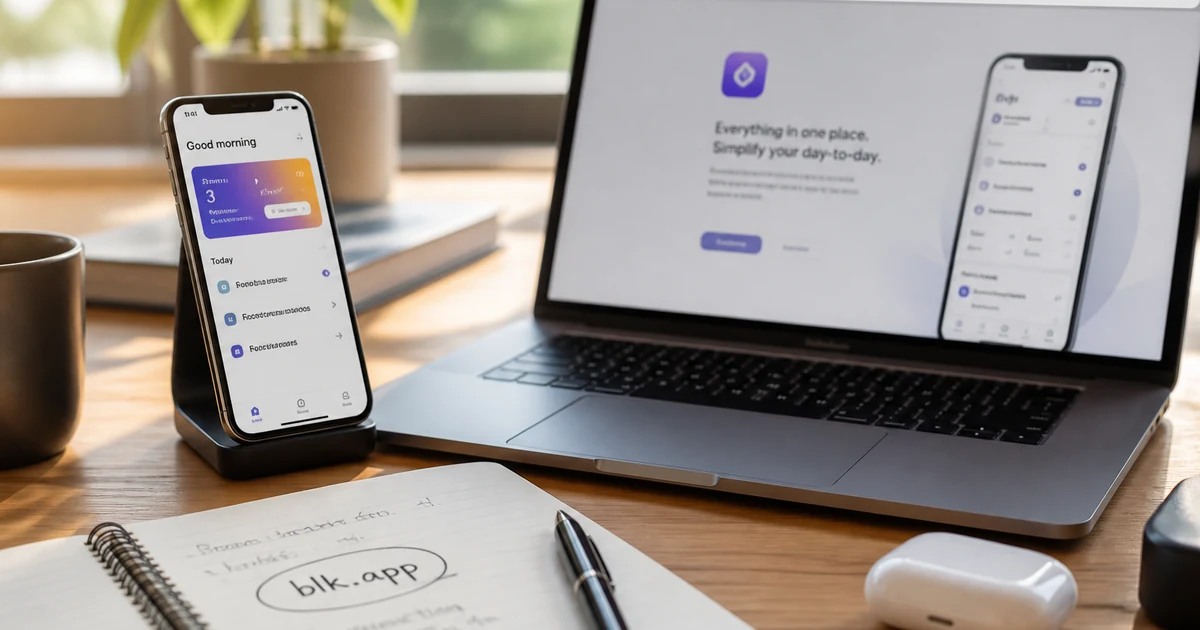
On a phone keyboard, every character is friction. Short .app brands win mobile-first launches because they fit share sheets, push notifications, and thumb memory without abbreviations.
I've watched cybersecurity teams lose installs when their domain was nineteen characters and three hyphens. I've watched comparable products with tight names like ExploitGym.app convert better from a single TikTok link — same feature set, cleaner front door.
This isn't aesthetics. It's unit economics on small screens.
Why does .app fit mobile-first products?
Google Registry built .app for software: HTTPS preloaded, HSTS enforced, security story simple to explain. When your user base lives on cellular networks and app clips, that matters.
Short .app names also signal intent. Users assume software, not a content blog. For training products, security tools, and vertical SaaS, that assumption saves onboarding copy.
Verisign's DNIB reports still show .com dominance at scale — but product launches increasingly lead with .app in categories where mobile is primary.
Desktop brands can be long. Mobile brands must be thumb-sized.
What makes a short .app brand work?
Length is necessary, not sufficient. I look for:
- Under 12 characters before the dot — shorter when possible.
- One pronunciation — no letter-by-letter spelling on support calls.
- Category hint — ExploitGym says training without a paragraph.
- No trademark shadow — especially critical in security where legal is vigilant.
- Visual balance — looks good under an app icon and in a browser chrome bar.
Browse SaaS names and you'll see the pattern repeat: verb-noun compounds, two-syllable stacks, zero punctuation hacks.
How do cybersecurity founders use short .app names?
Security buyers are skeptical by profession. A shady domain triggers the same reflex as a shady cert. Short, literal brands reduce that friction.
Training platforms, bug-bounty communities, and red-team tools all need names that sound serious on a corporate MDM allowlist. Try getting free-hack-tools.xyz past IT. Then try a crisp .app with obvious gym/training metaphor.
Resources like OWASP Mobile Security remind teams that trust starts before login — domain choice included.
Mobile acquisition math
Say your paid social CPM implies a $3.50 cost per tap. If 15% of users abandon because they can't remember the URL to type later, you're burning margin on branding failure. Short names recover that leakage.
Sales comps on NameBio show premium short .app names holding value better than long hyphenated .com alternatives — buyers pay for reduced friction.
Should you still chase .com for mobile?
Only if it's clearly better and ownable without spelling hacks. Many teams keep .com as a redirect years after launching on .app — that's fine if you budget for it.
Don't delay ship for a parked .com owner who won't answer broker mail. Mobile markets reward speed.
Our naming playbook ranks options honestly — aftermarket, .app, compound, rename.
How do investors view short .app brands?
Better than they did in 2019. Partners now see .app in diligence without flinching — if ownership is clean. Read why investors ask about your domain and prepare paperwork early.
A $9,000 .app with clear category fit often beats a $40,000 mediocre .com in ROI conversations. Capital efficiency matters mid-seed.
Google's .app program also gives a crisp story in security reviews: encrypted transport by default, modern TLD policies.
Launch checklist for mobile-first teams
- Buy the .app and point SSL before any public link goes live.
- Register common typos only if cheap; don't sprawl renewals.
- Match app store title, domain, and social handle — agents and users both notice mismatches.
- Test voice search and SMS share from a cold phone — if it fails, shorten.
Use our domain tools and FAQ when you're ready to buy. AI and security-adjacent teams shop the same principles: clarity, brevity, trust.
App store and deep link consistency
Universal links and app links should resolve to the same host users see in marketing. Mismatch breaks trust on first open — especially in security categories where users hunt for phishing signals.
ExploitGym reads legitimate in a corporate email because the domain matches the product metaphor — training, not malware.
Icon and wordmark constraints
Long names truncate under icons. Test your four-character and eight-character truncations on iOS and Android before you commit.
Short .app strings give designers room for symbol-first marks without cramming letters.
Performance and SSL perception
Mobile users notice slow TLS handshakes on sketchy hosts. .app's HTTPS expectations nudge teams toward proper cert management from day one.
For security products, that baseline matters in enterprise questionnaires where IT asks how you handle transport security.
Measuring brand friction in analytics
Track direct navigation vs campaign-tagged traffic after launch. If direct stays flat while paid grows, your name may be too long or too confusing.
A/B test landing URLs in small campaigns before you scale spend — cheap experiment, high signal.
Short names won't fix weak product, but they remove an avoidable leak in the funnel. Fix the easy leaks first.
Enterprise procurement and vendor forms
Security vendors get grilled on domain reputation in vendor security questionnaires. Short, professional .app names reduce back-and-forth with IT reviewers.
ExploitGym sounds like training infrastructure, not a sketchy download portal — that semantic fit speeds procurement.
When your buyer's security team Googles you on a phone, the SERP should look intentional. A tight domain is the first line of that SERP.
QR codes and offline-to-online paths
Conference swag and billboards still matter for security vendors. Short domains make QR codes less dense and easier to scan under bad lighting.
Test printed materials at arm's length. If the URL wraps awkwardly, shorten the brand.
Referral loops and word-of-mouth
Users recommend tools they can pronounce in conversation. ExploitGym is sayable at dinner; random letter strings are not.
Mobile-first growth loops depend on verbal transmission more than SEO — especially early.
SMS and two-factor flows
Short domains fit SMS verification and magic links without ugly wrapping. Security products sending auth links benefit from readable hosts users won't fear clicking.
Test SMS rendering on iOS and Android with your final domain before launch week.
Community and Discord culture
Security communities share links constantly. Memorable short names spread; forgettable ones need paid rediscovery every week.
Podcast and video overlays
Lower-thirds and podcast show notes truncate long URLs. Short .app names survive editing templates without custom graphics per episode.
Creator-led GTM for security tools is real in 2026. Make the name easy for creators to say on camera.
International keyboards
Test your domain on non-US keyboard layouts common in your market. Short ASCII names reduce input friction globally.
Mobile-first means thumb-first, link-first, and voice-first. Your domain should pass all three tests before you scale spend.
ExploitGym is the kind of tight, credible .app that survives a screenshot shared in a Slack security channel — high praise in 2026.
Buy brevity once; pay for confusion forever in ads and support.
Every character you remove from your domain is a conversion you might recover on mobile.
Security buyers judge links before they judge features — look legitimate at the URL bar.
Short .app brands are infrastructure for growth, not vanity purchases.
Test your name on a phone, in SMS, and out loud — then buy with confidence.
Mobile-first launches need desktop-grade trust in a thumb-sized package — short .app delivers both.
ExploitGym-style clarity turns links into invitations instead of warnings — that is the whole game.
Measure direct traffic after launch; if it lags, your name may still be too long or too fuzzy.
Push notification character limits
Mobile push payloads truncate aggressively. When your domain appears in notification text, long hosts eat the message. Short .app names preserve room for the actual value prop.
Security products sending alert notifications need every character for context — not spelling lessons.
App clip and instant experience URLs
Apple and Google instant experiences favor short, trustworthy hosts. ExploitGym reads like a product, not a phishing test — that matters when users decide whether to tap.
Affiliate and partner tracking links
Partner programs generate hundreds of tracked URLs. Short domains keep links shareable in Discord and Telegram security communities where your buyers actually hang out.
Long URLs get stripped or broken by chat clients. Brevity is distribution infrastructure.
I've watched teams treat naming as a side quest and pay for it in every meeting where someone asks how to spell the URL. The fix is boring: decide, document, and move on.
App Store screenshot URLs
Apple and Google screenshot metadata often includes your domain in support links. A nineteen-character host wraps awkwardly in store listings — another silent conversion tax on mobile-first launches.
Biometric login and domain trust
Mobile apps increasingly surface the domain during passkey and biometric flows. Users who don't recognize the host abandon enrollment. ExploitGym reads like a product name, not a phishing domain — that matters at the trust prompt.
Dark mode and URL legibility
Long domains wrap across two lines in mobile Safari's dark mode address bar. Short .app strings stay on one line, which subtly increases perceived legitimacy when users verify the URL before entering credentials.
Key Takeaways:
- Short .app brands reduce mobile friction in shares, notifications, and recall.
- HTTPS preloading makes .app a security-friendly default for software products.
- Cybersecurity names must pass corporate trust filters — literal beats edgy.
- Investors accept strong .app brands when ownership and clearance are clean.
- Ship on a tight name now; redirect .com later if you must.
Launch thumb-ready — explore ExploitGym.app, browse inventory, and read rebrand timing tips on the blog.
- DN Detector editorial