
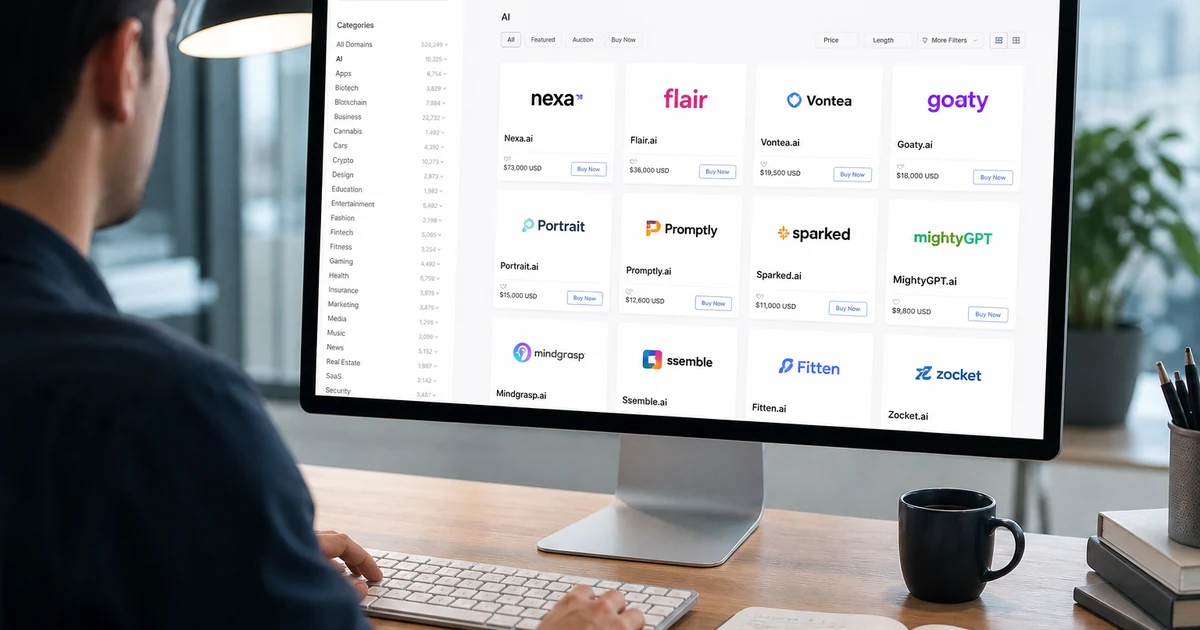
Most domain shops treat categories like filter dropdowns. The ones ranking in 2026 built category hub pages — real destinations with unique copy, internal links, and topical depth. I rebuilt ours twice before I got this right.
Our AI hub now drives more organic entries than the homepage some weeks. Not because we hacked Google — because we stopped publishing 400 orphan listing pages and started architecting clusters humans and crawlers could navigate. If you run a marketplace, hub pages are the highest-ROI SEO project you're probably ignoring.
Here's the architecture that worked for us — and how a name like AIHubPro.com fits the same mental model buyers use when they search.
What Makes a Category Hub Page Rank?
A hub isn't a tag page with a title swapped. It's a curated entry point that answers "what lives here and why should I trust it?" before showing inventory.
Google's SEO starter guide still rewards clear site structure. Hubs sit at the center of a hub-and-spoke model: category page links to listings, listings link back, editorial articles reinforce the topic from the side.
Winning hubs I've studied share five traits:
- Unique intro copy — 300+ words that aren't duplicated on other hubs.
- Curated subsets — "Editor's picks" or "Under $10K" blocks with real commentary.
- FAQ blocks — buyer questions answered on-page for snippet eligibility.
- Contextual internal links — to guides, tools, and related categories.
- Stable URL patterns — `/domains/ai.html` not `/search?tag=ai&sort=price`.
Ahrefs on topical authority explains why: hubs accumulate relevance for a theme. Spokes distribute it to monetizable long-tail URLs.
A filter page sorts inventory. A hub page teaches the category — then sells it.
Read our earlier category pages SEO guide for tactical overlap. This piece goes deeper on architecture choices that survived algorithm updates.
Why Do Domain Marketplaces Fail at Hubs?
Because engineering built search first and editorial never got a seat.
Default marketplace templates generate thin URLs — same meta description, swapped keyword. Google indexes them, then deprioritizes them. You end up with 2,000 pages and traffic on twelve.
I've crawled competitor sites with Semrush site architecture principles in mind and found 70% of listing URLs with no inbound internal links except pagination. Orphans. Crawl budget burned.
Hubs fix the orphan problem by design. Every listing should be reachable from at least one hub within three clicks. Every hub should link to three related hubs — AI to SaaS, SaaS to fintech — mirroring how buyers actually shop.
Our AI domains hub links to SaaS for workflow tools and to editorial analysis for buyers still learning. That's not decoration — it's PageRank plumbing with user intent baked in.
The template trap on enterprise SEO teams
Big teams love scalable templates. Hubs need scalable structure with non-scalable intros. Automate listing cards; never automate the category thesis paragraph. I write hub intros personally or assign them to named authors — same E-E-A-T logic as blog posts.
What This Means for Your Marketplace Build
If you're launching or refactoring, prioritize hubs before you import inventory batch #2,000.
- Map categories to buyer intent — AI, SaaS, fintech, not internal database tags.
- Write hub copy before bulk import — forces clarity on positioning.
- Limit hub count — ten strong hubs beat forty empty ones.
- Embed FAQs — "What makes a premium AI domain?" belongs on the AI hub.
- Track hub-level GSC performance — impressions and CTR per hub, not site-wide averages.
Feature flagship names on hubs — AIHubPro.com on the AI hub isn't just merchandising; it's semantic reinforcement. The hub topic and featured inventory should rhyme.
Use domain tools as spoke destinations from hubs — "evaluate a name before you buy" keeps users in the topical cluster.
How Many Hubs Does a Domain Shop Actually Need?
Start with money categories — where your inventory depth and buyer demand overlap. We run AI, SaaS, fintech, health, cybersecurity hubs because that's where our curated stock lives. A shop heavy in geo names needs geo hubs, not empty AI pages for SEO cosplay.
Search Engine Journal coverage of topical clusters applies directly: depth beats breadth. One excellent hub plus twenty great listings outperforms five thin hubs plus two hundred duplicates.
Refresh hubs quarterly. Pricing bands change, trends shift — a hub that still says "2024's hottest AI naming trends" in 2026 tells Google and users you're asleep.
My prediction: marketplaces that treat hubs as permanent editorial products — not launch-week afterthoughts — will own category SERPs as AI search compresses results. Fewer links shown means the hub that earns trust gets disproportionate traffic.
Metrics I watch monthly
Hub landing impressions in Search Console, click-through rate vs site average, assisted conversions to listing inquiries, and internal link click heatmaps. If users bounce from hub to homepage instead of listings, the hub copy failed the merchandising job even if rankings look fine.
Internal linking between hubs
Cross-link related hubs in intro copy: "If you're evaluating AI workflow tools, see our SaaS collection too." That's user help and PageRank circulation in one sentence.
Avoid orphan hubs with three listings. Merge thin categories until depth justifies the URL. Google and buyers both smell empty aisles.
Content calendar for hubs
Schedule quarterly hub refreshes alongside earnings-season domain industry news. Tie intro updates to real events — registry price changes, UDRP trends — so freshness is substantive, not timestamp gaming.
Faceted search vs SEO URLs
Facets are for users on-site. SEO URLs should be stable hubs, not infinite parameter combinations. Canonical tags help but don't replace discipline — block low-value parameter URLs in robots if needed.
Some teams build programmatic landing pages for "[niche] domains for sale" — viable only with unique intros and real inventory depth. Thin programmatic pages hurt more than they help.
Featured editorial modules on hubs — "Trending this month" with one-sentence commentary — increase time-on-page and give crawlers fresh text without new URLs.
Link hubs from footer globally but with varied anchor text across sections — "AI domains," "browse AI names," not identical "click here" one hundred times.
Hub page UX details that affect SEO
Page speed on hub grids matters — lazy-load images, compress WebP thumbnails, paginate beyond 50 cards. Slow hubs lose mobile users and crawl budget on repeated timeouts.
Mobile tap targets on listing cards should be generous — engagement metrics feed quality signals indirectly.
Open graph images per hub — unique OG art for AI vs SaaS — improve share rates from social, which drives branded search and entity reinforcement.
Hub pages are product work disguised as SEO. Merchandising, copy, FAQs, and featured picks are the job — rankings are the receipt. Build hubs you'd bookmark if you were shopping, not hubs you'd only build for bots.
When in doubt, ship one excellent hub this month instead of three mediocre ones next quarter.
Sales team feedback belongs in hub copy. If buyers keep asking the same question on calls, that question is a hub FAQ paragraph waiting to be written — and probably a snippet waiting to be won.
Should You Localize Hub Pages?
US-first English is our default, but geo-specific intros help when inventory targets regional buyers — fintech in US vs EU compliance angles, for example. Don't machine-translate hubs; thin localization hurts more than English-only clarity.
If you expand internationally, build country hubs only with real inventory and legal awareness — not hreflang cosplay on empty pages.
Measuring hub ROI beyond rankings
Track assisted conversions: users who land on hub, view two listings, submit inquiry. That funnel justifies hub investment to non-SEO stakeholders.
Compare hub traffic quality — time on site, pages per session — to blog traffic. Hubs should merchandise; if they only educate, add stronger CTAs to listings.
Seasonal hub modules — tax-season fintech picks, year-end startup naming — keep pages fresh without new URL sprawl.
Hubs are how domain shops prove they curate rather than scrape. Invest in them like product launches — copy, photography, FAQs, featured picks — and rankings become a lagging indicator of work well done.
Start with your strongest category. Perfect one hub, then clone the architecture — not the words — for the next.
Measure hub-assisted inquiries monthly — it keeps SEO tied to revenue everyone understands.
Thin category pages are worse than no category pages. Merge until depth justifies the URL.
When hubs work, they become the default share link for your sales team — proof the page earns trust beyond Google alone.
Stop leaking crawl budget on orphan pages. Build hubs that rank, then point them at premium inventory worth buying. Need examples? Walk our AI hub and steal the structure — then make the words yours.
- DN Detector editorial